
Start with the reference on the actual equipment
A purchasing spreadsheet may contain a shortened description rather than the code needed to order the part. Start with the component nameplate, then compare it with the order acknowledgement, machine bill of materials and the relevant manufacturer document. Keep uncertain characters visible in photographs; do not silently replace an ambiguous zero with the letter O.
A useful enquiry can begin with incomplete information. Explain what you know, what cannot be read and whether the requirement is for the original component, an alternative or a new design. Send the part number for sourcing and pricing, or use the full configurator if you are working from an application requirement.
Separate the four references
| Reference | What it helps identify | What it does not prove |
|---|---|---|
| Series or family | A range of related products | The fitted winding, feedback or mechanical options |
| Model or ordering code | A recorded size or ordered configuration | Current availability or installed compatibility |
| Serial number | An individual unit and potentially its production history | A universal replacement part number |
| Drawing or revision reference | A particular document or design revision | That every unit in the series follows that revision |
Preserve separators and suffixes
Hyphens, full stops, spaces and trailing characters may separate meaningful ordering fields. Search can tolerate formatting differences, but a purchase enquiry should retain the manufacturer’s original reference. Photograph the whole label instead of cropping to the most familiar part of the code.
Do not decode a suffix using another manufacturer’s key. Even within one brand, ordering structures can change between generations. The correct document is the ordering information for that series and revision, not a generic online explanation of what letters usually mean.
Information that can change the replacement
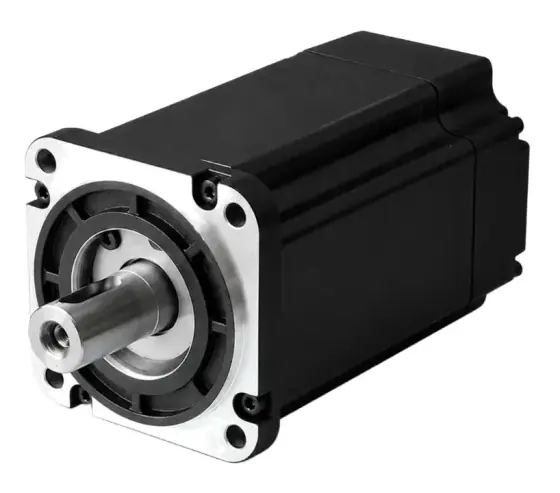
For a motor, collect the drive reference and any information about the winding, feedback, brake, shaft and connector arrangement. For a drive, include supply details, fitted modules, firmware and the control interface. For a valve actuator, add the valve reference, motion and torque requirement, supply, command signal and power-loss behaviour. A gearbox code may need its ratio, input adapter and output details confirmed.
The exact list depends on the component. These are identification prompts rather than a decoding key or an instruction to dismantle equipment. Have the responsible engineer collect the information through the machine’s normal safe access arrangements.
When only a serial number remains
Send the manufacturer name, serial number, photographs of the component and an explanation of its function. The serial may help the manufacturer trace the build. If it does not, dimensions and application information can support a broader assessment. Do not present the resulting option as an identical replacement until the relevant interfaces have been checked.
Turn identification into a sourcing enquiry
State the immediate quantity, expected repeat demand and required date. Say whether alternatives are acceptable and which parts of the machine must stay unchanged. Ask for the quoted configuration, supporting documents, supply arrangements and any integration work to be identified together.
Browse recorded model codes or search the catalogue. For a multi-component requirement, the configurator records the application so the engineer can discuss a motor, drive, gearing and feedback as one enquiry.
Sources
Figures are summarised from the sources above and from manufacturers' published data on the date shown. Always confirm against the current datasheet for your exact part.